Curated, not open: how creators publish on Mi Campus
How creators and small academies publish on Mi Campus: inside an institution or as a curated academy, under quality standards

Open marketplaces solved distribution and gave up on quality. Anyone can upload; nobody has to show that the course works.
Mi Campus takes the opposite position. It is not a marketplace, and it is not open. Content creators and small academies are welcome, and there is a clear place for them, but publishing here means meeting a standard: every capsule has a challenge, every challenge has a rubric, and what learners receive at the end is evidence of competency, not a receipt for having watched.
Two ways to publish
A creator on Mi Campus publishes in one of two ways.
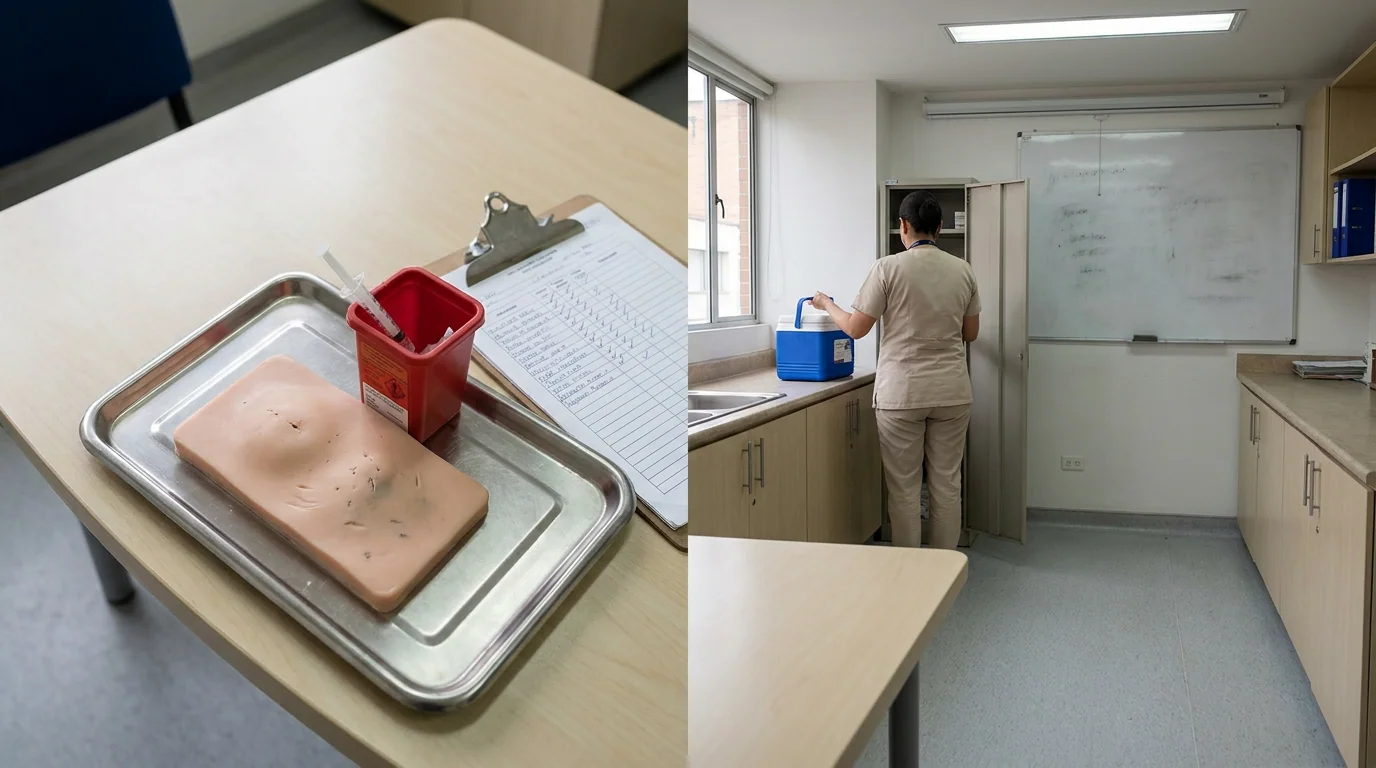
The first is inside an institution. Many institutions bring in outside expertise: a clinical specialist who teaches one procedure, a consultant who runs a compliance update, a practitioner who owns a topic the in-house team does not. In this model the institution admits the creator, the creator builds capsules and paths under the institution’s name, and the institution’s team keeps control of admissions, review and certification. The learner sees one institution. The creator contributes to it.
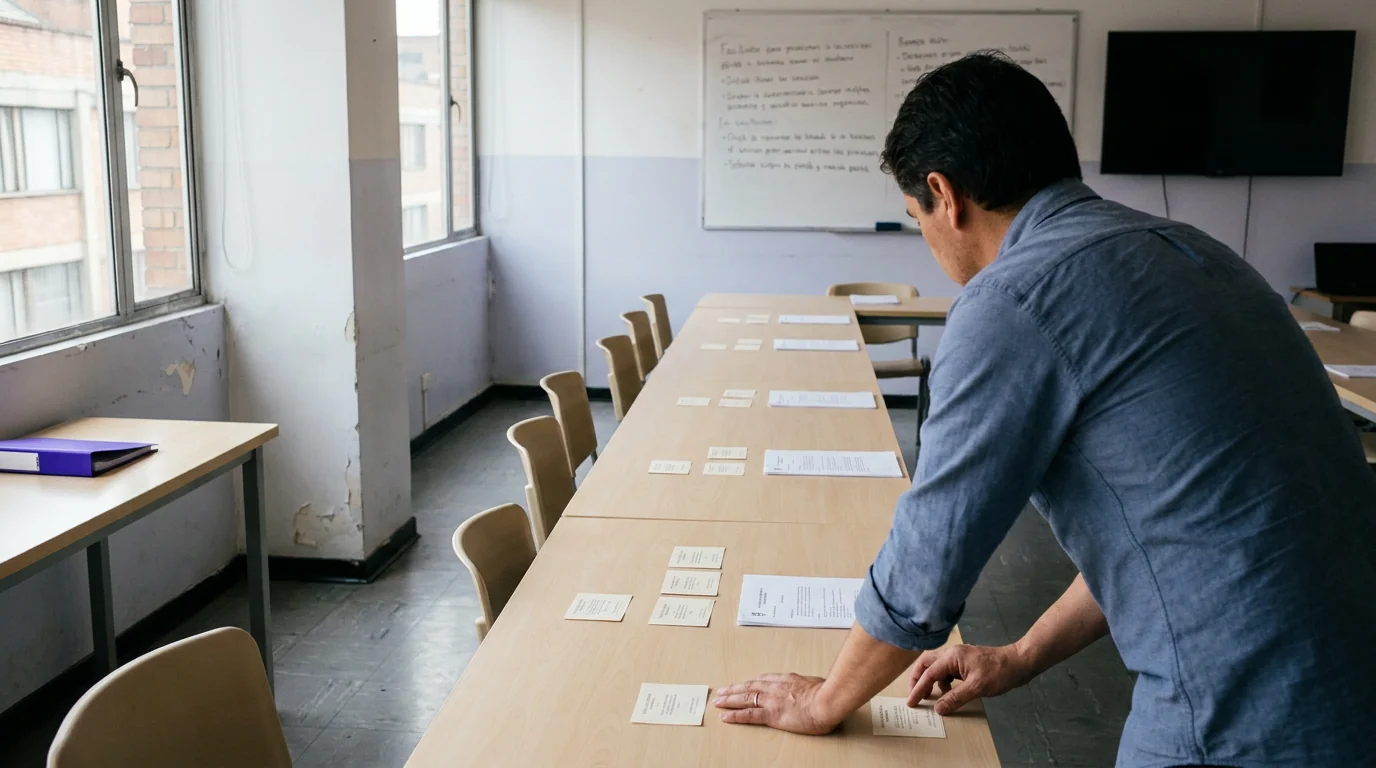
The second is as a curated academy. A creator or a small team with its own audience and its own programs can operate as an academy on Mi Campus: its own name, its own catalog, its own learners. It is the same structure an institution has, at the scale of a specialist practice or a small school. Curated means the academy commits to the same standards as every other institution on the platform. Capsules, challenges, rubrics, evidence.
Both models use the same tools. The difference is who owns the front door.
What curation means in practice
Curation is a word that often means nothing. Here it means specific things that are built into how content is created.
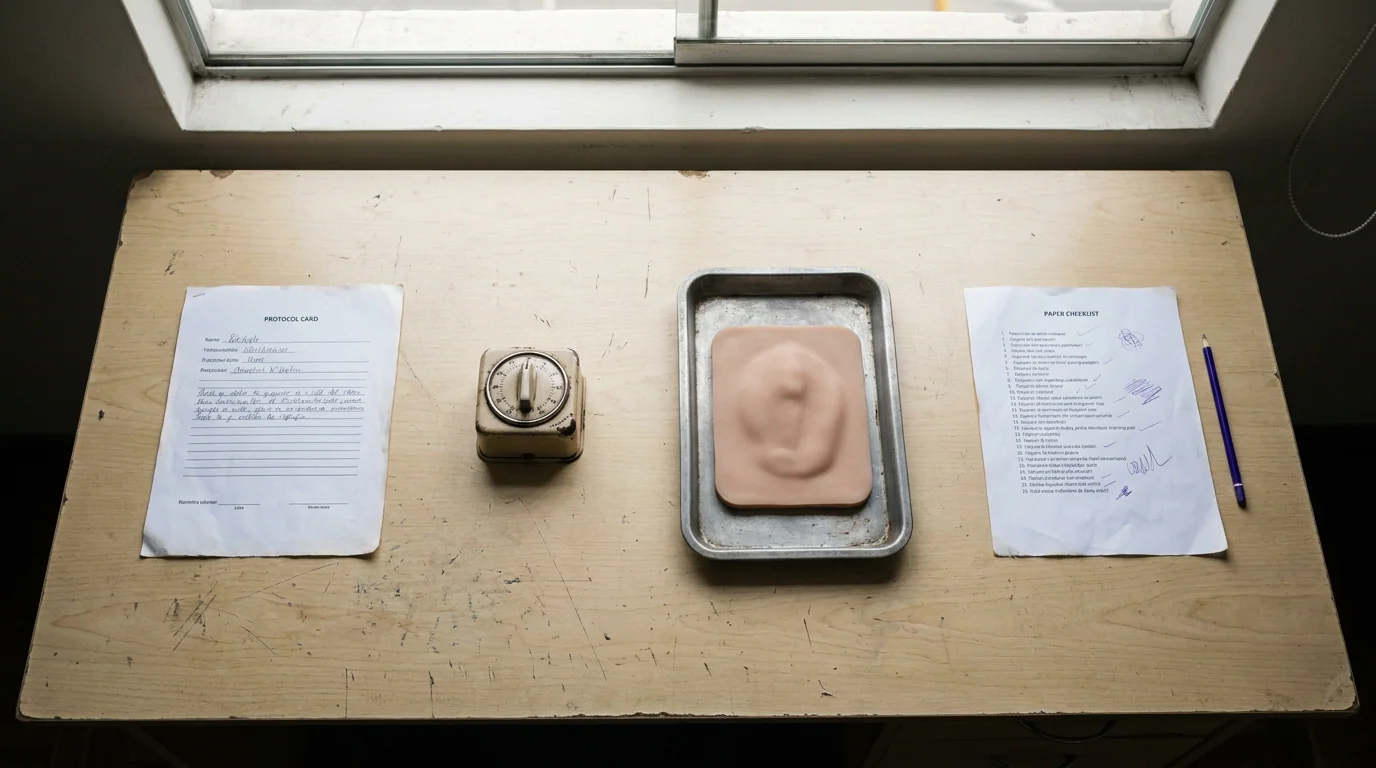
There is no capsule without a challenge. A creator cannot publish a lesson on its own; the unit is lesson plus challenge plus evidence, and the platform is organized around that unit. This alone rules out the most common kind of low-quality course, the one that is a recording and nothing else.
Every challenge has a rubric and passing criteria written before learners arrive. The creator has to decide, in advance and in writing, what a correct response looks like and what counts as passing. Attempts and time limits are set deliberately. This is more work than uploading a video, and that is the point.
Programs are organized into paths with prerequisites, and capsules are marked as core or reinforcement. A creator who has thought about which errors learners make, and has written reinforcement capsules for them, produces a program that adapts to each learner. A creator who has not will see it in the Reinforcement Hub: activation rates, error patterns by severity and a competency map that shows where the program is not producing mastery.
Curation, in other words, is not a gatekeeper deciding who is allowed in. It is a structure that makes the quality of a program visible, to the creator first and to the institution or learners second.
Private courses, admissions and certificates
Creators publishing as a curated academy on the professional plan have the same controls as any institution. Courses can be private, visible only to the learners the academy has admitted. Admissions and enrollment requests are reviewed by the academy before anyone gets in, which matters for programs with prerequisites or for cohorts that should stay together. The academy runs under its own name, logo and colors.
When a learner completes a program, the certificate is issued under the academy’s name, with a public link that anyone can open to confirm it is genuine and what it certifies. For a specialist whose reputation is the product, a certificate that can be verified by a link is worth more than a PDF that cannot.
Creators inside an institution work within that institution’s settings: the institution admits learners, keeps courses private where it chooses, and issues certificates under its name, with the creator’s capsules as part of the program.
How to start
If you are a creator or a small academy and you want to publish this way, create your academy on the free plan and build one complete capsule: a short lesson, a challenge of the type that fits the skill, a rubric and passing criteria. Run it with a small group. When you are ready for your own name and colors, private courses and reviewed admissions, move to the professional plan.
If you would rather contribute to an institution that already runs on Mi Campus, the institution admits you and you build inside it. Either way, what you publish will be judged by the evidence it produces, which is how it should be.